

Wildlife Photography
Focus on the World’s Amazing Animals.
Wildlife photography is an excellent, and thoroughly entertaining excuse to explore the world. We’ll be sharing our best tips, tutorials, and destination advice here to help you get the best from your time in nature.

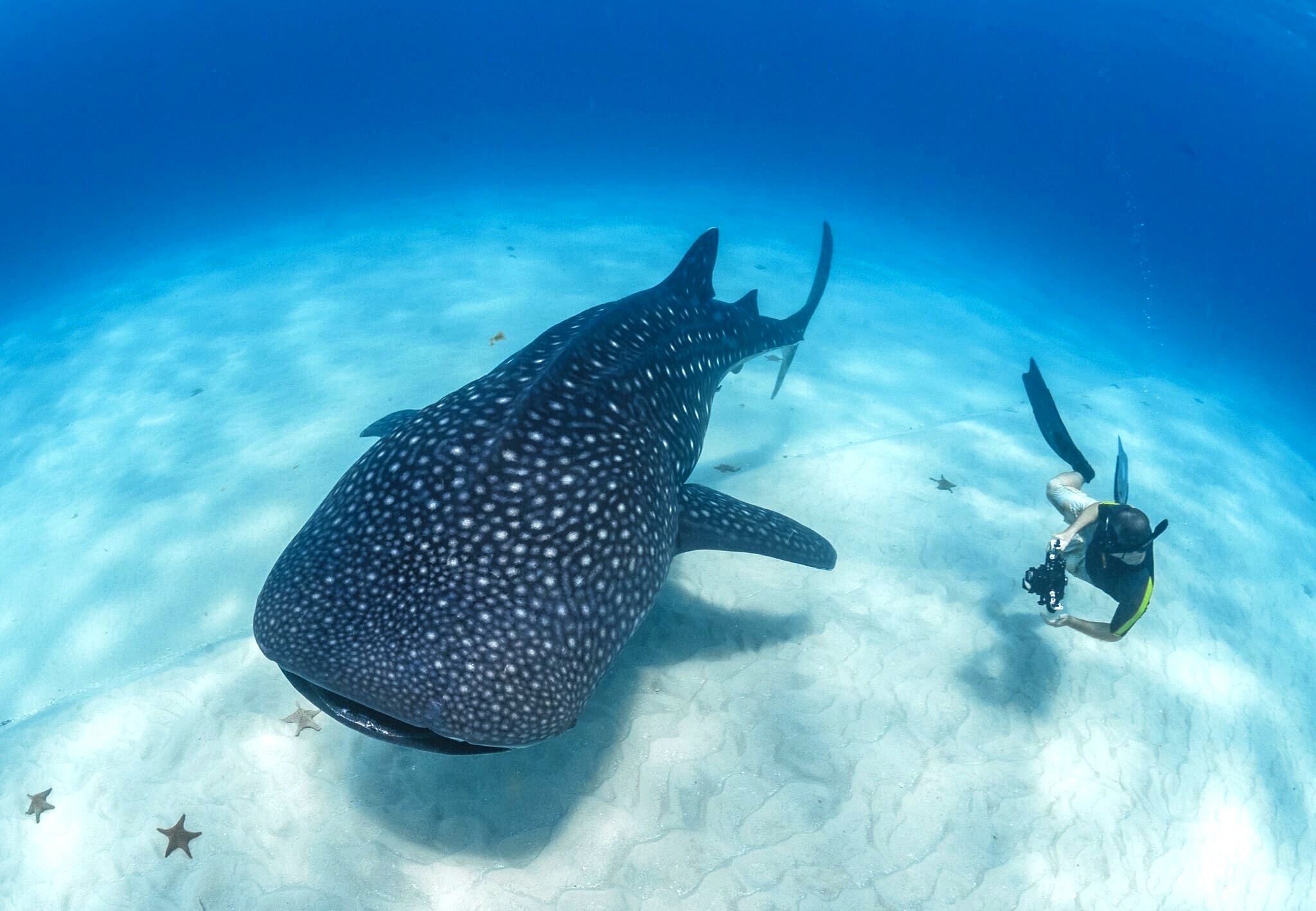
Backup and workflow considerations for professional wildlife photographers.
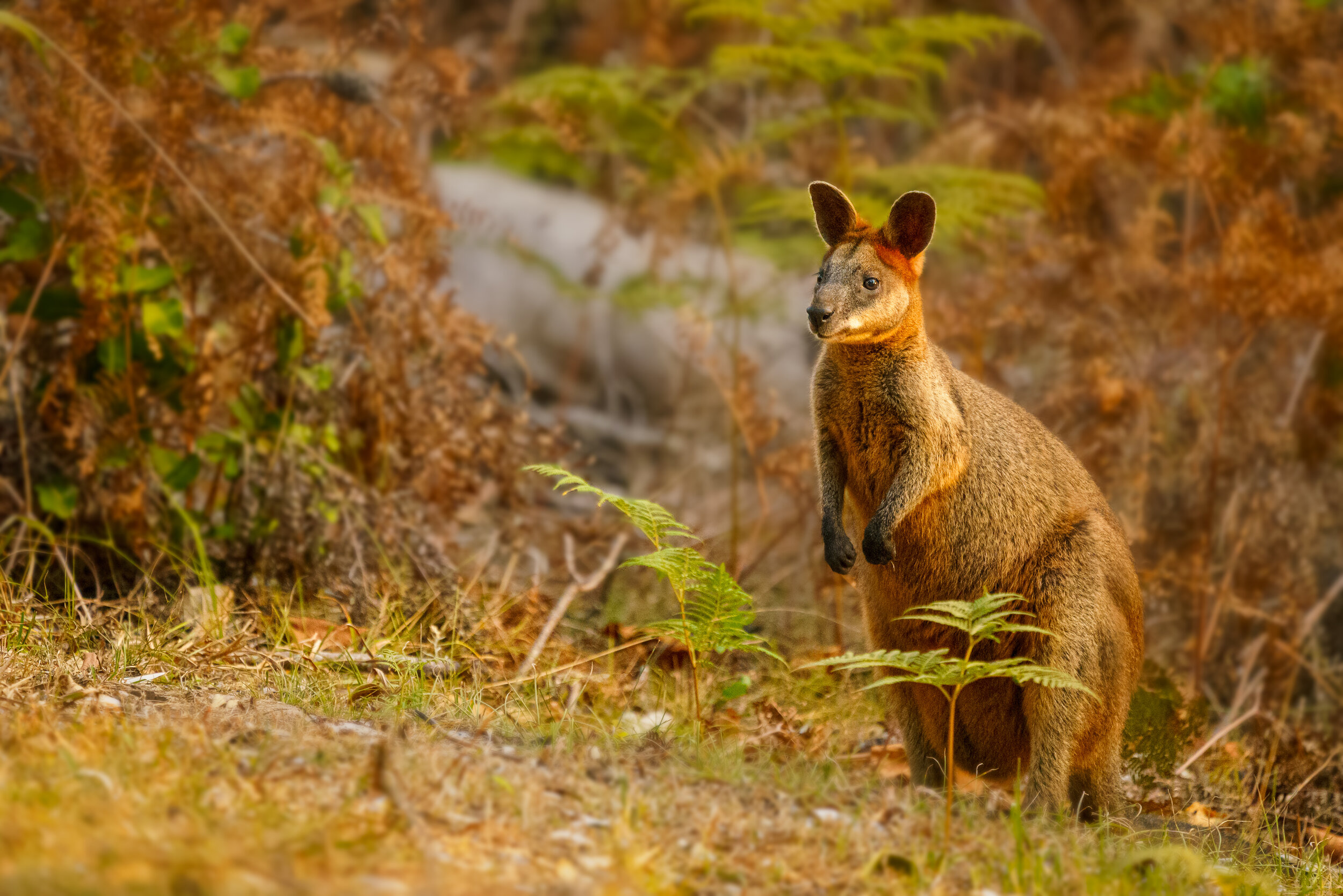
A little gem of a park for coastal wildlife in Byron Bay, Australia.


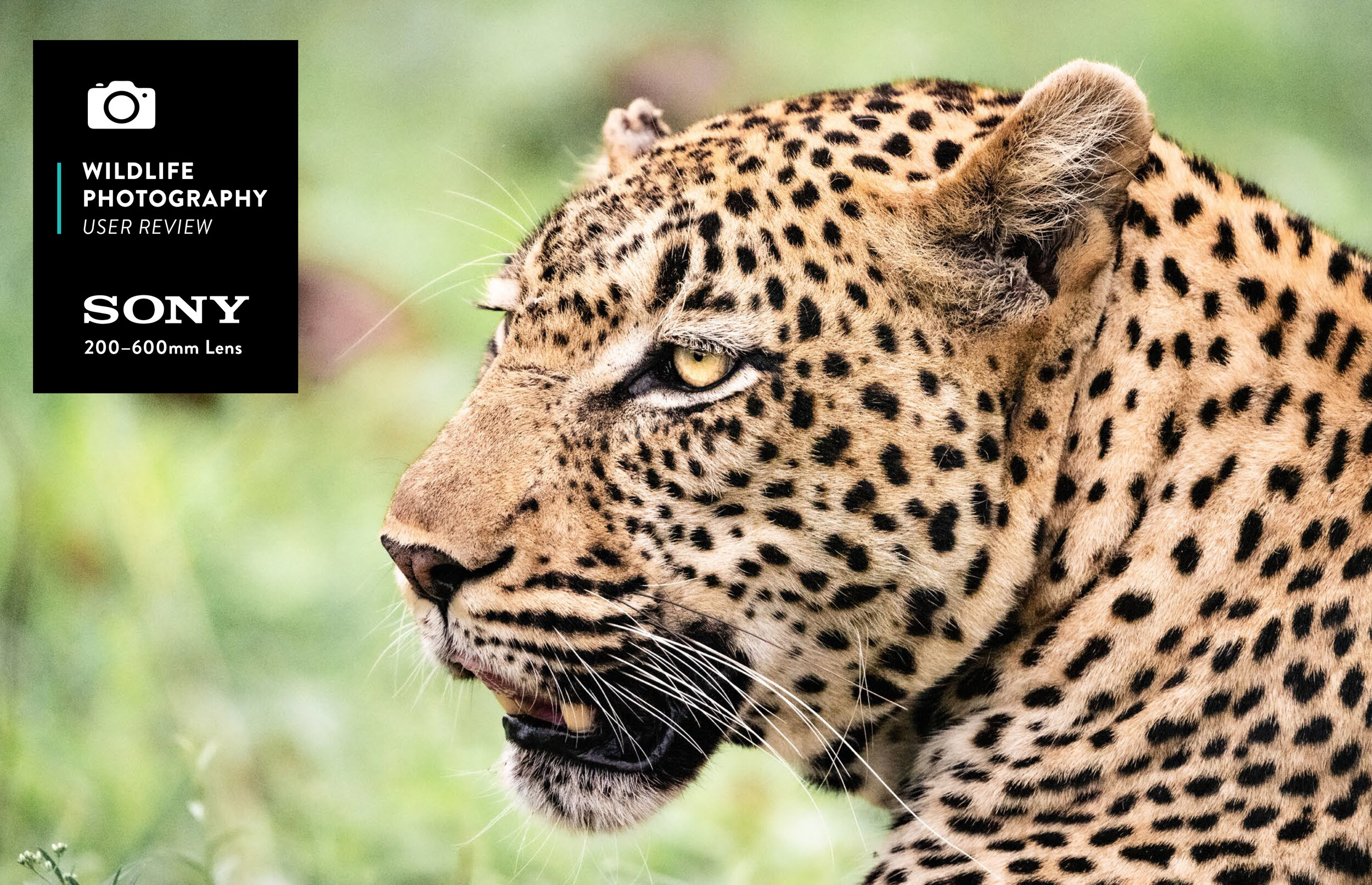
Of the 7,998 photos I took with the 200-600 mm shots in Kruger (excluding those taken with the 1.4x teleconverter, discussed below), 6,930 (87%) were at focal lengths from 404-600 mm. The extra reach over the 100-400 mm was definitely useful, and I used it a lot.

I’ve been using the Sony FE 90 mm G OSS macro lens as my go-to underwater macro photography lens since late 2018. I really enjoy using it – with the exception of poor autofocus in low light underwater using the Sony A7rIII, which I rant about in great detail here.

Plastic in the ocean is a problem. That will be news to precisely none of you. It’s still worth talking about though, even now. Plastic is an obvious part of all of our lives and, despite the global scale of the concern, it’s one of the most immediately actionable marine conservation issues.

Our Nature Tripper Magazine contains wildlife photography tips n tricks with beautiful full bleed imagery.
It’s also completely free!